

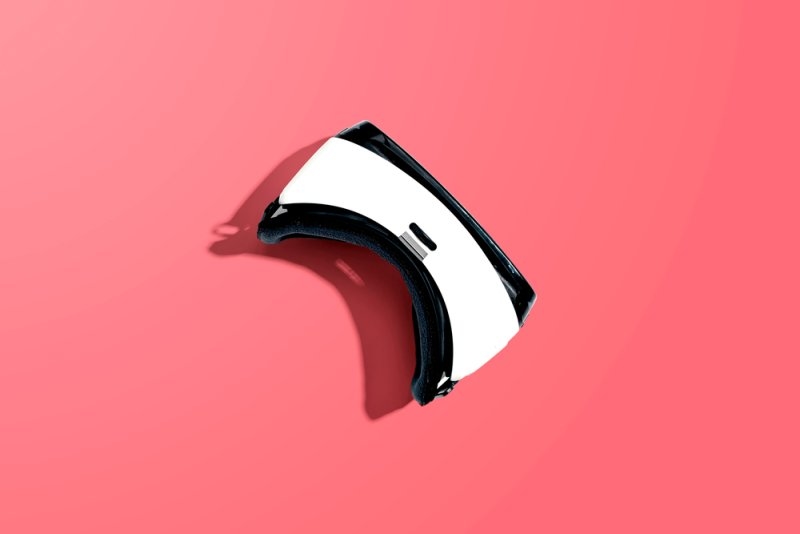
Shopping for a VR headset right now is both amazing and overwhelming. VR has outgrown its old reputation as just a gamer’s gadget — now, you can work out, set up a virtual workspace, watch movies in your “private” theater, or learn something completely new. The industry’s exploding. Grand View Research says the global VR market will hit over $67 billion by 2030, thanks to better displays, advances in mixed reality, and improvements in standalone headsets. With all these choices, not every model is right for every person. Some are built for high-end PC gaming, others for cable-free ease, and some are all about blending real and virtual worlds.
What’s the goal here? We’ll break down the top VR headsets, what makes each one special, the gaming VR headsets, and how to pick the one that’s actually worth your money.
One can do it hands-on, just like any other reviewer who tests gear in the real world. Here’s what we paid the most attention to:
Most important: Does it feel fun to use, or just like a pile of specs?
Try This: Which are the 18 Best Headphones of 2026 to Invest in?
There are numerous VR headsets available, but here is a list of the best VR headsets available on the market:
The Quest 3 is right in the sweet spot: it's not too pricey but packs in impressive visuals, smooth gameplay, and legit mixed reality features. You can play Beat Saber, work out, or link it to your PC — it just feels polished and easy to use. There are thousands of games and apps (seriously, it’s a massive library), and it’s comfortable enough to wear for long stints.
Is there a catch? The battery only lasts about 2–3 hours, and you’ll need to buy the Elite Strap for the best fit. But if you’re looking for your first headset—or just want the best all-around package—this is the one to grab.
Already have a PlayStation 5? The PS VR2 is jaw-dropping. The OLED screen is bright with deep blacks and punchy colors. Eye tracking and adaptive triggers make games feel, well, alive. Games like Horizon Call of the Mountain and Resident Evil Village in VR show off how immersive the tech has gotten. Sure, you need a PS5, and the game library isn’t as big as Meta’s, but setup is super easy.
The Index is a few years old, but still a beast for PC gaming. Its tracking is top-tier — great for fast-paced games or room-scale experiences. The controllers are special: they sense your individual fingers, so grabbing or interacting in VR feels surprisingly natural. Yeah, you need a beefy PC, and the setup takes a little more time, but if you want the best performance (and you’re okay with cables), the Index is hard to beat.
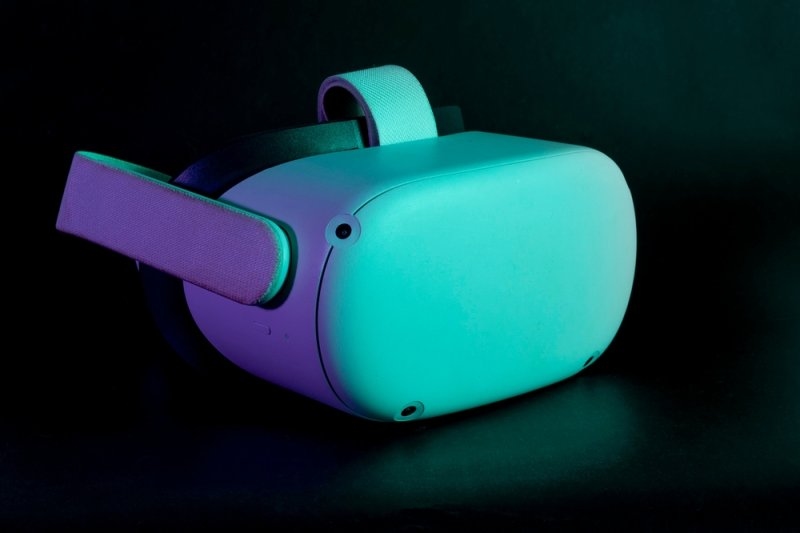
- Snapdragon XR2 Gen 2 chip
- Wireless design
- Supports the same apps and games as Quest 3
Why pick it?
If price is a big deal for you, the Quest 3S covers all the basics. You still get the big Meta Quest app library, the same operating system, and solid motion controllers. The main differences: the display isn’t quite as sharp as the Quest 3, and the lenses aren’t as high-end, but for just diving into VR—or if you’re buying for a kid or trying it out yourself—the value is tough to beat.
Vision Pro isn’t really for gaming, but it’s miles ahead when it comes to “spatial computing.” Everything from watching movies, multitasking, running FaceTime, or editing documents feels like a glimpse into the future. Eye tracking is wild — you don’t need to fumble with controllers to navigate. Downsides? It’s crazy expensive and heavy, and you have to carry an external battery pack. If you’re deep into the Apple universe and want to be on the cutting edge, go for it. Honestly, for most people, especially gamers, the Quest 3 has way better value.
Headset | Best For | Starting Price | Standalone | Rating |
| Meta Quest 3 | Overall Performance | ~$499 | Yes | 5/5 Stars |
| PlayStation VR2 | PlayStation Gaming | ~$549 | No | 4/5 Stars |
| Valve Index | PC VR Gaming | ~$999 | No | 4/5 Stars |
| Meta Quest 3S | Budget Buyers | ~$299 | Yes | 4/5 Stars |
| Apple Vision Pro | Productivity & Mixed Reality | ~$3,499 | Yes | 4/5 Stars |
Must Try: 9 Best Home Security Cameras For Day And Night Safety
Honestly, you need to stop and think about what you’ll actually do with your headset. Is gaming your thing? Prioritize a headset with a deep game library and precise tracking. Want to try VR workouts, meditation, or just hang out with friends? Go for a standalone device like the Meta Quest series—they're super flexible. If you plan to work in VR, especially for design or productivity, shoot for a higher-end mixed reality headset.
Meta works both solo and with a PC. PlayStation VR2 needs a PS5. Index only plays nice with a powerful gaming PC and SteamVR. Apple Vision Pro is really only worth it if you already use Apple devices. Buying the wrong platform will just frustrate you.
Clearer visuals (high resolution, good lenses, and refresh rates of at least 90Hz) make everything more comfortable. A wide field of view helps too.
Heavy, badly balanced headsets start to feel awful after thirty minutes. Try to find one with good head straps, soft padding, and decent ventilation
You’ll probably buy accessories—better straps, prescription lens inserts, chargers, and games. Sometimes it’s worth spending a bit more up front for an ecosystem that’ll grow with you.
If you’re looking for the best all-around option, Meta Quest 3 is the safe pick. On a budget? Get the Meta Quest 3S. PlayStation fan? PS VR2 is your jam. Love PC games? Valve Index is still the champ. Want futuristic mixed reality? Save up for the Vision Pro. It all comes down to what you want and what you’ll actually use.
There’s no single ‘best’ VR headset for everyone. The right one is the one that fits your life. Today’s options offer better graphics, comfort, and content than anything we’ve seen before. The Meta Quest 3 hits the sweet spot for most people, but the other headsets shine if you have more specific needs. Take your time, compare features, and think about the long term—not just the cheapest or the shiniest device. A bit of research now will save you a headache later and unlock years of virtual fun, fitness, or productivity.
Ready to Try VR? Don’t just grab the first headset you see. Compare, set your budget, and find the one that fits what you actually want to do—whether that’s games, movies, working, or something else entirely. A smart choice today means you’ll actually love using your headset tomorrow.
Definitely. Modern VR devices are great for way more than just games. You can work out, meditate, take virtual classes, watch movies on huge screens, join meetings, tour museums, or even make and view art. If you want to experience the next step in technology, VR headsets offer real value outside of gaming.
A good headset usually stays relevant for four to six years, as long as it keeps getting software updates. Take care of its lenses, battery, and controllers, and it should stay in great shape. Standalone headsets, in particular, tend to receive new features and updates for a while after release.
Most headset makers say VR is best for kids 10–13 and up, depending on the device. Young children should use VR only under supervision, with plenty of breaks. Parents should make sure the content is age-appropriate and that they follow the manufacturer's safety instructions. That way, VR stays fun and safe for everyone.
This content was created by AI