

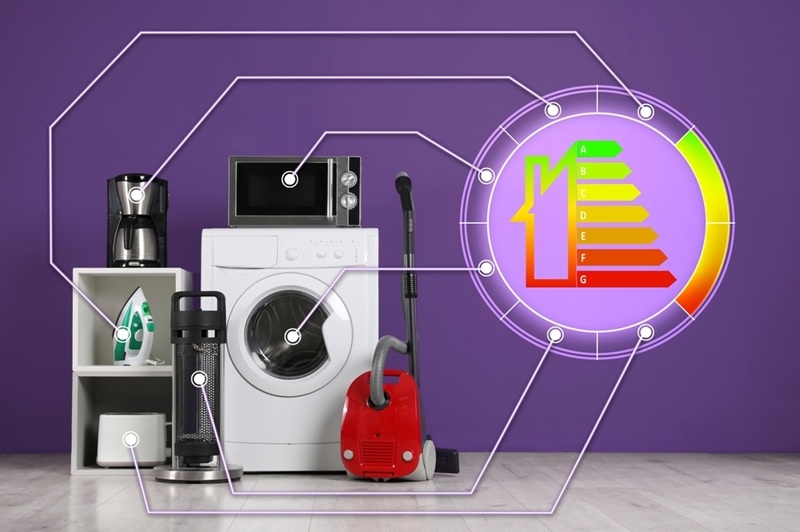
Energy efficient electronics are home devices that use electricity in a careful and controlled way. These products are made to help you complete your daily tasks with limited use of electricity. This helps homes manage electricity better without changing comfort.
This blog will help you understand the reasons why energy-efficient electronics are becoming popular and what features matter in power-saving devices. It will also explain to you how eco-friendly electronics can benefit you in daily life, along with practical steps to reduce electricity bills.
Must Read: Top Online Shopping Money Saving Tips And Tricks for 2025
Energy-efficient electronics are getting more attention because homes today depend on many electronic devices. From morning to night, these devices stay active in different ways. When power use is not managed well, electricity consumption quietly increases.
People now want devices that work efficiently without needing constant monitoring. That is where energy-efficient electronics make sense. They help balance power use while allowing normal daily routines. This makes them suitable for homes of all sizes.
Another reason behind this shift is a better understanding. Many users now know that power-saving devices help control energy use during idle time. Even when devices are not actively used, they still consume electricity. Managing this helps reduce electricity bills over time.
You can check below to find out the key features of the best power-saving devices:
The best power-saving devices adjust electricity use based on real demand. When a device does not need full power, energy flow is reduced automatically. This helps reduce electricity bills while keeping the device working properly.
Many devices continue to use electricity even when not in use. Power saving devices limit this standby consumption. This helps maintain steady energy usage without affecting readiness or performance.
Power-saving devices work best when they are easy to understand. Simple controls allow users to maintain efficiency without technical confusion. This makes them suitable for all age groups at home.
Eco-friendly electronics focus on steady energy use and simple operation. They support daily routines without causing disruption. Below are the key benefits explained in a direct way.
Eco-friendly electronics are designed to avoid unnecessary power consumption. They use energy only when required. This helps households manage electricity more effectively during regular tasks.
Using eco-friendly electronics makes it easier to plan energy usage across months and years. These devices work well with low-power appliances and Energy Star products. This combination helps households reduce electricity bills gradually.
Eco-friendly electronics do not require special handling or new habits. They work like regular devices but use power more responsibly. This ease of use makes them suitable for families, working homes, and shared living spaces. Comfort remains unchanged while efficiency improves.
Low-power appliances are very helpful in managing daily electricity consumption. The selection of the right appliance requires consideration of small but significant details. The following tips describe what to consider.
Low-power appliances should be aligned with daily usage patterns. Appliances that are used on a daily basis should provide consistent performance with regulated energy consumption. This will help in lowering electricity bills and, at the same time, ensure that the appliance is useful for daily tasks.
Energy standards and labels are helpful in recognizing low-power appliances that adhere to energy standards. These standards are usually similar to Energy Star-rated appliances. Clear standards are helpful in comparing different options and choosing the best appliances that support energy-efficient electronics.
Low-power appliances are most effective when the functions are simple to understand. Appliances with complex functions usually involve additional power consumption. Simple functions are helpful in supporting eco-friendly electronics and are also easy to use on a daily basis.
Appliances usually consume energy even when they are not in use. Low power appliances should limit the consumption of energy when they are not in use. This is helpful in maintaining constant energy consumption on a daily basis and is also effective in saving power.
Low power appliances should be compatible with the home electrical setup. Compatibility is helpful in avoiding energy loss due to inefficient connections. This is helpful in maintaining stable performance and is also effective in long-term energy efficiency.
Top Pick: How to Use Shopping Cart Hack to Get Surprise Discounts?
Cutting down electricity bills does not require significant modifications. Taking small steps in the right direction makes a significant difference. Here is a simple step-by-step guide below.
The first step is to note which devices are used for a longer period of time. Replacing them with energy-saving devices will help manage electricity consumption. This is an effective way to cut down electricity bills without having to make significant modifications to daily habits.
It will help you to limit the electricity usage and reduce the bill when you use devices only when needed. This practice will help promote eco-friendly devices and low-power devices in a natural way. Small modifications will help manage daily electricity consumption effectively.
Well-maintained devices function in a more efficient manner. Regular checks will help cut down electricity bills and promote efficient functioning. Devices will also last longer while consuming less electricity.
The following list will help you to find out the three factors to consider while choosing Energy Star products:
Energy Star products follow specific energy guidelines to ensure that energy consumption remains in check. This helps advance energy-saving technology and overall home energy efficiency.
These products encourage consistent energy consumption, which can cut down your energy bills in the long run without having to keep a close eye on them. Consistent energy use makes home energy management simpler.
Energy Star products are meant to work well with other energy-saving devices and appliances, which can help you create a well-rounded energy-efficient home system.
Energy efficient electronics help homes manage electricity in a simple and steady way. By understanding features, benefits, and selection tips, households can make smarter energy choices. These decisions support comfort, daily ease, and long-term energy balance without adding complexity or stress.
Power saving devices are made specifically to make your daily life at home better without wasting electricity.
No, eco-friendly electronics work like regular devices and do not require new habits.
Yes, low-power appliances are built for daily use while controlling energy consumption.
This content was created by AI