

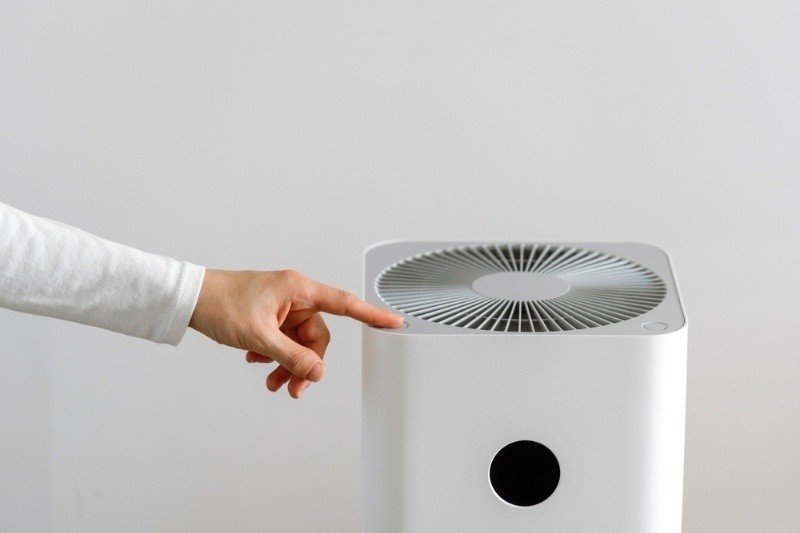
Shopping for the best air purifier can feel like a headache. Walk into any store, or scroll through Amazon for five minutes, and you'll spot dozens of models promising to clean your entire house for under $100. Most of that is marketing noise—and honestly, a lot of it doesn't hold up.
This guide skips the hype. We'll walk through what actually matters when you're choosing a home air purifier, how filtration really works under the hood, and the real pros and cons of different types so you can pick something that's actually worth your money.
Before spending a dime, figure out what problem you're solving.
Each of these calls for a slightly different setup.
This guide goes through the main decisions one at a time, so by the end, you'll know exactly which specs are worth caring about and which ones are just there to look impressive on a box.
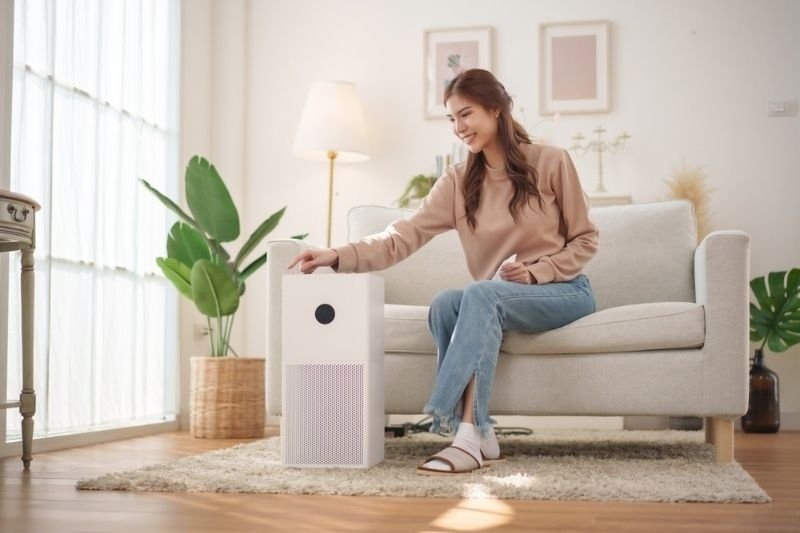
Most people assume outdoor pollution is the real problem, but indoor air pollution can actually be worse. Dust, pet dander, mold spores, cooking fumes, and VOCs from cleaning products and furniture all build up indoors, especially in newer homes that are sealed tight for energy efficiency.
Bad indoor air quality has been tied to allergy flare-ups, headaches, and ongoing breathing issues. An air purifier won't solve everything, but running the right one consistently, in a properly sized room, can genuinely cut down on what you're breathing in every day.
This is where most people mess up. A home air purifier built for a large room, stuck in a small bedroom, is overkill; you're paying for and not using it. Flip it around—a small-room unit in a big open living space—and it barely makes a dent.
The number that actually matters is CADR, measured in cubic feet per minute (CFM). A good rule: aim for a purifier that can handle about 5 air changes per hour in your room, not just 1.
| Room Size | Recommended CADR (approx.) | Best Fit |
| Small bedroom (up to 200 sq. ft.) | 100–150 CFM | Compact units |
| Medium living room (200–450 sq. ft.) | 200–300 CFM | Mid-sized units |
| Large open-plan space (450–700+ sq. ft.) | 350–500+ CFM | Large or high-output units |
If a brand's room-size claim sounds too good for the unit's price and size, it usually is. Independent reviewers keep finding companies stretch their coverage numbers to look better next to competitors.
A solid air filtration system usually works in layers, and knowing what each layer does helps you tell whether a purifier is actually worth buying.
Catches the big stuff—hair, lint, and larger dust particles—before it clogs the main filter. A removable, washable pre-filter means less money spent replacing everything else too soon.
This layer handles gases, smoke, and odors. Pelleted or granular carbon works noticeably better than the thin carbon-impregnated fabric found in cheaper models, which really only handles light everyday odors.
True HEPA filters trap at least 99.97% of particles down to 0.3 microns—dust, pollen, and plenty of allergens. Watch out for "HEPA-type" labeling, though. It sounds the same but performs much worse.
Some units throw in an ionizer to boost particle capture. It's nice to have, not essential, and models that let you turn it off give you more control, since ionizers can sometimes release trace amounts of ozone.
Even the best air purifier money can buy comes with trade-offs. Here's the honest breakdown.
Weighing these pros and cons against what you actually need, rather than chasing whatever model has the flashiest app, is the smarter way to shop.
Look at decibel ratings across every fan speed, not just the number printed in bold on the front of the box. A purifier that's silent on low but roars on high isn't great for a bedroom if you actually need it running at full volume overnight.
Add up how often filters need replacing, what they cost, and roughly how much electricity the unit uses over a year. A cheaper purifier with pricey proprietary filters can end up costing more in the long run than a pricier one with cheap, easy-to-find filters.
App connectivity, auto mode, air quality displays—all nice, but don't let them distract you from what really matters: CADR and filter quality.
Independent lab verification (AHAM Verifide is a good one to look for) tells you a lot more than whatever number the manufacturer put on the spec sheet.
Choosing the best air purifier kind of comes down to matching the CADR to your room size, making true HEPA plus activated carbon filtration a big deal, and honestly, checking the noise levels. Also factor in ongoing filter costs, and look for trustworthy certifications, not just the flashy smart features that sound impressive. When the purifier is sized correctly, it can really deliver cleaner air without all the unnecessary noise or the extra expense.
Go for a true HEPA filter, and match the CADR to your room size. Like, the CADR basically tells you how many times per hour the air is cycled, and that is the part that matters most for pollen and dander. Higher CADR means more pass-through, so it does more work overall.
Most HEPA filters will last about 6 to 12 months with regular use. But carbon filters may need to be swapped sooner if you’re dealing with strong odors or a particularly persistent smell. Still, you should always check what the manufacturer says for your exact model, because they can vary.
Yes. A unit with a real HEPA filter plus a decent amount of activated carbon handles smoke particles and a good chunk of the smell, as long as the CADR is right for your room.
Not necessarily. A larger unit sized correctly for a bigger room can actually run quieter at lower speeds than a small unit straining at full power to cover the same space. Match the purifier to the room, not just the budget.
Not really. Purifiers work best in the room they're placed in. For whole-home coverage, most people either run a few units in high-traffic rooms or look into one that works with their central HVAC system.
This content was created by AI