

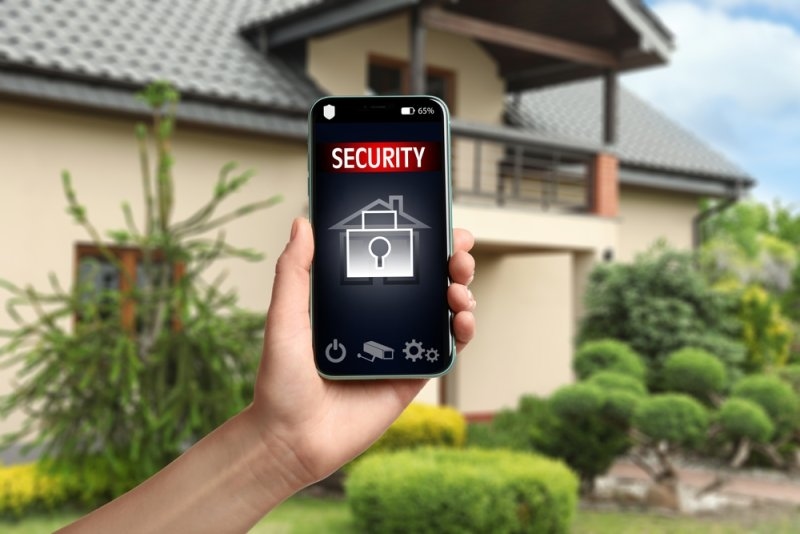
Shopping for a home security system in 2026 feels a bit like walking into a crowded showroom. Every brand claims faster alerts, sharper cameras, and total peace of mind. Some of that is true, some of it is marketing gloss. This guide cuts through the noise and lays out the best home security systems worth considering right now, along with pricing cues, monitoring styles, and the features that actually make a difference.
At its core, a home security system connects door sensors, window sensors, and cameras to one central hub. That hub keeps an eye on your property around the clock and pings you the second something looks off. Most setups today also come with a companion app, so you can arm, disarm, or check a camera feed remotely.
Professional monitoring puts a live person between your alarm and the outside world. When a sensor trips, trained agents confirm it is a real emergency before calling police, fire, or medical responders. You will pay a monthly fee for this, but that small cost buys a faster response when something actually goes wrong.
Must Read: AirPods Pro 2 vs AirPods Pro 3 Comparison: Which is Better?
Home security companies in the USA range from old-school alarm giants to scrappy app-first startups these days. Installation, monitoring, and contract terms vary a lot between them. Comparing a few names side by side, plus a quick look at real customer reviews, usually saves you from a surprise later.
Vivint is still one of the bigger names among home security companies in the USA when it comes to full-home automation. You get professional installation, smart locks, doorbell cameras, and app control all in one package. Contracts run on the longer side, but people consistently praise the equipment and support.
SimpliSafe is the go-to for renters and first-timers who want no-contract flexibility. Setup takes under an hour, and you can pack it up and take it with you if you move. Pricing stays refreshingly transparent, which budget-conscious households tend to appreciate.
ADT has been a household name for decades, and it is still one of the most recognized home security companies in the USA. Expect solid professional monitoring, fast emergency response, and technicians pretty much everywhere. The premium plans throw in smart home integration for anyone wanting the fuller connected setup.
Setting up a new system usually follows the same rough script no matter which brand you choose. Knowing what is coming ahead of time makes it easier to budget both your money and your Saturday afternoon. Most companies walk new customers through each stage by phone or email before boxes even show up.
Most home security system brands start you off with a basic kit, one hub, a handful of sensors, and a camera. Bigger homes usually need extras like glass-break detectors or an outdoor camera for full coverage. Grabbing the right bundle from the start almost always beats buying pieces separately later.
A professional crew can usually finish installation in two or three hours for an average house. DIY kits take less hands-on time, but sensor placement matters, and getting it wrong leads to annoying false alarms later. Skimming the manual first saves most people from the classic rookie mistakes.
Once everything is mounted, you switch on your monitoring plan and grab the app. That app becomes mission control for arming the system, checking footage, and getting alerts on the fly. Test every sensor right after activation, just so nothing slips through unnoticed.
Top Pick: Best Samsung Galaxy S26 Ultra Case for Ultimate Protection
Picking between smart home security brands means looking past camera resolution and slick app design for a minute. A handful of less obvious factors tend to separate the systems people love from the ones that quietly annoy them a month later.
A lot of smart home security brands now use AI to tell the difference between a person, a dog, and a passing car. That single upgrade cuts down on pointless notifications more than almost anything else here. Ask any provider how their detection accuracy has improved through recent software updates.
Plenty of households already lean on a voice assistant for everyday tasks around the house. Making sure your new system plays nicely with it saves you from an annoying compatibility gap later. A few of the best home security brands 2026 shoppers gravitate toward advertise broad third-party support upfront.
Cameras and sensors pull in a surprising amount of footage, so privacy policies deserve more than a skim. Look at how long that footage sticks around and whether it ever gets shared with outside companies. The brands worth trusting spell this out clearly instead of hiding it in fine print.
Going with one of the best home security brands 2026 has to offer buys you more than a loud siren. These systems do a lot of quiet, useful work in the background that homeowners genuinely appreciate long after the box gets unpacked.
A monitoring team can verify an alert and get responders moving within seconds of a triggered alarm. That speed genuinely matters during a fire, a medical scare, or a break-in at your front door. Every second shaved off dispatch time tends to translate into a better outcome overall.
Quite a few insurers knock a bit off your premium once you have a monitored system installed. The discount varies by provider, but it often helps offset what you pay for monitoring each month. Worth a quick call to check what your chosen brand qualifies for.
Being able to check a camera or unlock a door from your phone adds convenience well beyond basic security. It comes in handy for checking on pets, catching a delivery, or letting a contractor in remotely. Most apps handle this from anywhere with an internet connection these days.
Finding affordable home security systems does not mean settling for weaker protection or a flimsier long-term setup at all, ever, no matter what. A few smart habits go a long way toward keeping costs down, especially during that first year of ownership.
Entry-level packages often start under thirty dollars a month, though equipment pricing swings between providers. Bundling a camera, sensors, and a hub together usually beats buying separate smart devices piece by piece. Look at total first-year cost, not just the flashy monthly number on the homepage.
Some providers still try to lock you into a multi-year contract, and the early cancellation fees can sting. Before you sign anything, actually read the fine print. It sounds tedious, but it is the only way to avoid a nasty surprise if you move or decide the brand just is not working out. The good news is that plenty of no-contract options now exist among affordable home security systems, so flexibility does not have to cost extra.
Home security companies in the USA love a good sale, especially around holidays and big shopping weekends. Referral bonuses stack on top of those bundle deals too, so a little timing goes a long way. Wait for one of these windows before you buy, and you could knock a real chunk off your first-year bill.
So which system actually wins? Honestly, it depends on your house and your budget more than any brand's marketing page. Compare the best home security systems above on monitoring style, contract length, and the smart features you would actually use day to day. Whatever you land on, pick a company that is upfront about pricing, keeps its app running smoothly, and picks up the phone when something goes wrong.
Most affordable home security systems run between twenty and sixty dollars monthly for professional monitoring. Equipment costs add another one hundred to four hundred dollars upfront, depending on your sensor and camera count.
Not really. Most smart home security brands now let you set everything up yourself in under an hour. Homes with tricky or older wiring often benefit from paying a professional to handle the install.
SimpliSafe, Ring, and Abode all skip the long-term contract and let you pay month to month instead. That flexibility is a big draw if you move often, rent your place, or dislike commitments.
Pretty much, yes. Budget-friendly systems still nail the basics: motion detection, mobile alerts, and video verification—the stuff that actually matters during a break-in. What premium brands add on top is mostly extra automation and faster response times, not better core reliability.
Most do, especially with the voice assistants and smart locks people already have running at home. Still worth a quick check of the compatibility list before you buy, since support varies more between brands than you'd expect.
This content was created by AI