

Wearable health devices are everywhere, but rings still feel a little futuristic, don’t they? This blog takes a calm, honest walk through what the Oura Ring actually does in daily life. You will get a clear sense of its sleep tracking, recovery insights, daily health metrics, and how it fits into real routines across the US. Along the way, we will touch on comfort, accuracy, AI features, and whether this sleek ring earns its reputation or looks good on Instagram.
Before talking about charts and scores, it helps to understand what the ring claims to offer and why people keep talking about it. This Oura Ring review starts with expectations versus reality.
A ring sits quietly on your finger. No screen is lighting up. No buzzing during meetings. That alone changes behavior. Unlike watches, rings are easy to forget, and that is the point. Oura focuses on passive tracking, collecting data without asking much from you.
This is not a flashy fitness toy. It fits best for people who care about recovery, sleep quality, and long-term wellness. Think busy professionals, athletes who already train hard, or anyone tired of guessing why they feel off on a random Tuesday.
Must Read: Best Kitchen Gadgets: Essential Tools for Every Home Cook
A good health device only works if you actually wear it. This section looks at how the ring feels during normal American routines, from workdays to weekends.
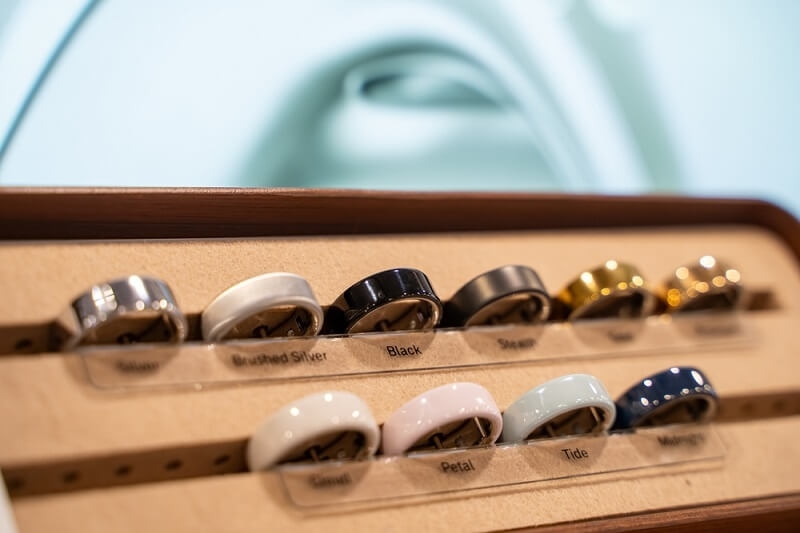
The Oura Ring looks minimal and modern. It comes in several finishes that blend with wedding bands or simple jewelry. Most people will need the sizing kit. That step matters. A slightly loose ring can mess with readings.
Sleeping with a ring sounds annoying. Surprisingly, it is not. The low-profile design helps. Many users forget it is there after a few nights.
Daily wear is easy too. Washing hands, typing, driving, even cooking. It stays out of the way. Just be mindful during heavy lifting or weight training. Rings and barbells do not mix well.
Sleep is where Oura shines. This section explains how its AI sleep tracking works and why so many users talk about sleep first.
The ring uses motion, heart rate, and temperature changes to estimate sleep stages. Over time, it learns your baseline. That is where the AI part matters. It does not treat everyone the same.
You get insights like bedtime consistency, sleep efficiency, and how late meals or alcohol affect rest.
Oura gives a daily sleep score. At first, it feels a bit like getting graded. But the score becomes a trend tool, not a judgment.
A low score after a late night makes sense. A low score after a calm evening raises questions. You start noticing cause and effect. That awareness often leads to better habits.
Top Pick: Best Home Appliances 2025: Must-Have Smart Home Gadgets
Data only matters if it is reliable. This part of the blog looks at health ring accuracy in everyday conditions, not lab settings.
Resting heart rate tracking is solid, especially overnight. HRV trends are where things get interesting. Oura does not push raw numbers aggressively. It focuses on changes over time.
If your HRV drops for several days, the app nudges you to slow down. It feels less clinical and more supportive, which many users appreciate.
The ring tracks temperature changes, not the exact temperature. That distinction matters. Small shifts can signal recovery issues, illness, or cycle changes for women.
Many users in the US mention noticing early signs of getting sick. It does not diagnose anything, but it gives a heads-up. That alone can change how you plan your week.
Unlike loud fitness trackers, Oura takes a gentler approach to movement. This section explains how activity fits into the bigger picture.
Oura cares more about balance than extremes. It tracks steps, calories, and movement, but always ties them back to readiness.
A high readiness score with low activity might suggest you can push a bit. A low readiness score after intense workouts suggests rest. It feels like a coach who whispers instead of shouts.
For hardcore runners or gym lovers, Oura might feel light on workout stats. It pairs well with other tools like Apple Health or Strava.
Think of it as the recovery brain that complements your main fitness tracker, not replaces it.
Don't miss: Unlocking the Best Smartwatches 2025: Features & Insights
The ring is only half the story. The app shapes how usable and human the data feels.
The app layout is clean and calm. No clutter. You see three main scores: sleep, readiness, and activity. Tap deeper if you want details.
Graphs are simple. Language is friendly. It does not overwhelm you with medical jargon. You know what? That matters more than flashy charts.
Oura requires a subscription after the trial period. This turns some people off. But the subscription supports ongoing insights, updates, and AI improvements.
If you use the data regularly, it feels worth it. If you forget to check the app, it probably is not.
Data is nice, but feelings matter. This section talks about subtle changes users often notice after months of wearing the ring.
Most users do not suddenly sleep perfectly. Instead, they become more aware. They notice patterns. Late screens. Heavy dinners. Weekend shifts.
That awareness slowly nudges better choices. No pressure. No guilt. Just information.
Readiness scores influence decisions. Should you push through that workout or take a walk instead? Should you stay up late or head to bed early?
The ring does not decide for you. It just gives context. That can be surprisingly calming.
So, where does this leave us? This Oura Ring review comes down to lifestyle fit. The ring works best for people who value sleep, recovery, and long-term wellness over daily competition. It blends quietly into life. It nudges without nagging. It turns health into a conversation, not a command. For many Americans juggling work, family, and personal goals, that balance feels refreshing.
The sleep tracking is consistent and trend-focused. It may not match lab equipment, but it gives reliable patterns over time.
No. It complements a smartwatch by focusing on recovery and sleep rather than real-time notifications or workouts.
Yes, for full insights and ongoing analysis. Without it, the experience feels limited.
People who want detailed workout stats or visual screens may prefer a watch-style tracker instead.
This content was created by AI