

It is no surprise that the amount of data users share on the internet each day is becoming an issue, especially since anyone with a public IP address or specific information about your system can identify and track you. Whether you’re working remotely, streaming online, browsing, or on public Wi-Fi, a VPN is a good way to protect your online information. Today, we take a look at the best VPNs in 2026 and explain how VPNs actually work, as well as how you can choose the best one for your needs.
As the amount of data users share on the internet grows, so does the number of users looking for the best VPNs. The global VPN market is projected to grow to more than $130 billion by 2030, driven by rising cybersecurity threats and the growing number of remote workers. Nowadays, internet users have much to worry about when using the web, and a VPN is more important than ever.
However, not all VPN services are the same, and there is a wide variety of options available. A quality VPN service offers many features and varying levels of security, performance, and reliability. In this article, we review the top VPN providers available right now, the best VPN in the world; explain what a VPN does and why you might need one; and finally, explain how to actually get a VPN.
Rating: 4.9/5
NordVPN offers arguably the best all-around performance you can expect from independent VPN reviews. You get the highest level of security and the best speeds.
Anyone looking for a premium all-around VPN.
Rating: 4.8/5
ExpressVPN is celebrated for its blistering speeds and ease of use, making it a strong favorite among both VPN beginners and advanced users.
Anyone wanting the fastest possible speeds for streaming or browsing or who travels a lot.
Rating: 4.7/5
Surfshark is truly unique, has the cheapest price tag we’ve ever seen, and offers outstanding value for money, especially since you can connect an unlimited number of devices.
Anyone looking for a very affordable way to secure their entire family’s internet connections.
Rating: 4.6/5
If you want an amazing way to view streams or access the internet while traveling, CyberGhost is by far one of the best and most efficient services.
Anyone who wishes to watch streams without restrictions, including gamers.
Rating: 4.7/5
Proton VPN is one of the best privacy-focused VPN services that you can pick, and the fact that it’s free adds more value.
Anyone looking for a privacy-first VPN.
Try This: Best Gaming Console 2025: PS5 vs Xbox vs Nintendo Switch
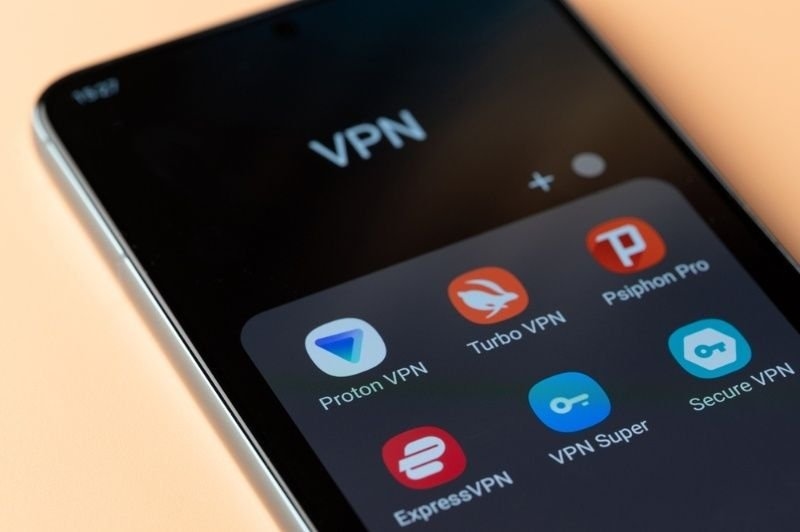
A VPN, or Virtual Private Network, provides an encrypted connection to the internet. It reroutes your entire internet connection through a VPN server located anywhere in the world.
This way, your IP address is hidden from all of your connections to websites and services. This will protect your browsing history and your physical location from anyone who wishes to view them, for example, an ISP employee.
A VPN offers multiple protections that can make your internet browsing safer and your connection more secure:
If, for instance, you connect to a public Wi-Fi hotspot at an airport, a VPN will help stop anyone from intercepting your traffic.
There are several reasons why you need a VPN, and here are the top 5 reasons why:
Hackers are always looking for data they can use to their advantage, from passwords and bank account details to even personal identification information; they will do everything in their power to get it. By encrypting your traffic using a VPN, your personal information becomes so much harder to acquire.
It is fairly common to access public Wi-Fi when traveling to and from your destination. In most cases, there is no proper security on public Wi-Fi, meaning anyone can tap into your internet connection. With a VPN, however, your connection to the public Wi-Fi hotspot is encrypted, preventing hackers from accessing any valuable data on your system.
As more and more users are connected to the internet daily, advertising agencies, websites, and even ISPs gather data on what and how often we view their sites, making it easier to target us with particular types of advertisements or spam. With a VPN, you can prevent this by simply changing your IP address.
People will travel for work or pleasure, and that does not mean they have to give up access to all the services they would normally have. By simply connecting to a server in your home country with your VPN, you will be able to access everything you normally do while in the UK.
If your ISP can view your browser history, then you should consider how easy it would be for a third party to obtain it. The vast amounts of data you have on the internet may be collected by your ISP without your knowledge and then given to any third party who pays them. However, using a VPN can reduce the ability to see your data.
A VPN works by encrypting your internet connection and routing all your online data through a secure server, which assigns you a new IP address and a new physical location for your connection.
VPNs may appear complicated to new users; fortunately, you don’t need any experience to set up or use one.
Choose the best VPN service for you and your budget from the reviewed list above.
This would involve downloading the app onto whatever device you want to use it on (your computer, phone, tablet, etc.)
The required step is not free; otherwise, you can proceed to Step 4.
Choose a country from the server list and connect to a server.
Your connection will now be encrypted, and your location will be masked.
Essential Reads: How are Trending Gadgets Reviews 2025 Influencing People?
Free VPNs do seem appealing and will likely appeal to anyone on a tight budget, but they usually come with many drawbacks that should deter the average internet user. For instance, they will probably come with the following:
For that reason, we only really recommend paying for a VPN provider, but you can also choose a free provider from the ones we have reviewed.
When shopping for a VPN provider, most prices fall between $2 and $12 a month. This will obviously depend on which plan and provider you choose, but remember: longer contracts usually offer larger discounts than monthly plans. Before you pay for anything, make sure to compare providers rather than focusing solely on cost.
It doesn’t have to be difficult when trying to select the best VPNs. This is thanks to the top 5 we analyzed, ranging from NordVPN and ExpressVPN to Surfshark, CyberGhost, and Proton VPN. Every provider listed offers something unique that will suit any internet user. We have analyzed what a VPN is, how it actually works, why you need one, how to use one, free VPNs, and how much you should expect to pay. Buying a VPN is always beneficial if you care about your online security, or it could just be for entertainment purposes, but there are so many options available for everyone. Make sure you check out Rebates.com for more useful technology tips and bargains for you and your home.
A VPN can help reduce the risk of your data being stolen by encrypting your internet connection, making it much harder for cybercriminals to access your personal information. It is important that you use this with a strong password and two-factor authentication and that you keep your web browsers up-to-date to maintain the best possible online security.
Yes, it is generally considered safe to leave a VPN on when connected to the Internet, even by many cybersecurity professionals. Having a VPN on at all times is highly recommended, as it protects your data, particularly as you change networks. Today's VPNs can operate securely in the background without significantly impacting your device.
Yes, most businesses use VPNs. Many organizations use VPNs to ensure their data is secure and to protect the use of internal systems by remote workers. They establish an encrypted connection between the remote employee and the organization's network, creating a more secure online environment.
This content was created by AI