


Clicking through a checkout page feels effortless until you get hit with surprise customs fees, stolen card numbers, or counterfeit gear that looks nothing like the promotional photos. Most consumers treat e-commerce like a passive convenience, handing over billing details to random storefronts without checking who actually operates the warehouse. Eliminating online shopping mistakes is not about spending hours researching every minor purchase; it is about building a rigid and operational filter to protect your cash.
Must Read: How to Avoid Fake Products Online Like a Smart Shopper?
Modern checkout flows are engineered to bypass critical thinking. Countdown timers, one-click buy buttons, and flash-sale alerts trigger an artificial sense of urgency that makes you skip basic checks like shipping terms or seller ratings. When a store tells you an offer expires in ten minutes, your brain shifts from evaluating the product to fearing you will miss a bargain. Most buyers also confuse slick web design with a legitimate retail reputation. Just because a storefront has a clean logo and professional product photos does not mean there is a functional business behind it.
Clicking checkout before you inspect the fine print is the fastest way to waste cash on non-refundable junk. These ten errors are where most shoppers lose their money and end up stuck with useless inventory.
Never buy an item on the first site you check. A simple barcode or product search often reveals the exact same item selling for twenty percent less on a competing retail platform.
Some stores make you pay international restocking fees that cost more than the shirt itself. If you cannot return a defective item for free, you are taking a straight gamble.
Adding cheap items to your cart is pointless if the checkout page slaps you with thirty dollars in surprise delivery fees right before you authorize the charge.
Generic five-star scores are easy to fake with bots. You have to scroll down and check verified written complaints to see if the fabric shrinks or the wiring shorts out.
Paying full retail price without testing a discount code leaves easy money on the table. A two-minute coupon check usually knocks off ten bucks or covers your shipping.
Free shipping means nothing if the package ships from overseas via surface mail and takes six weeks to reach your mailbox when you needed it by Friday.
If the address bar lacks a basic SSL encryption lock, you are handing your billing information straight to card scrapers and identity thieves.
Top Pick: Where to Buy Used Items Online in 2026: 5 Best Platforms
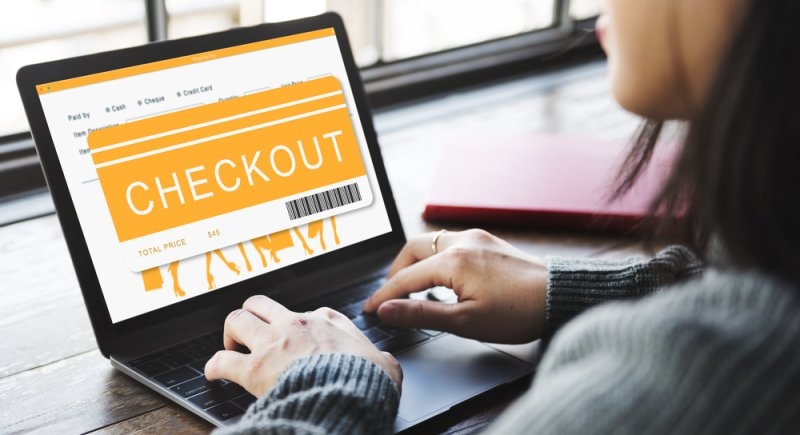
Keeping your bank account safe requires treating every unfamiliar checkout page like a potential security leak. These online shopping safety tips stop card scrapers and fraudulent sellers before they touch your funds.
Spin up a single-use virtual card number inside your banking app and kill it the second your transaction clears—that way, even if a sketchy merchant tries a hidden rebill later, there is zero money attached to the dead number.
Using Apple Pay or PayPal acts as a hard firewall for your real credit card digits, guaranteeing your actual billing profile never sits on some random retailer’s unsecured server waiting for a data breach.
Turn on push notifications for every dollar that leaves your account so you can freeze your card the second an unauthorized charge hits.
Good security is about daily routine, not just installing antivirus software on your laptop. Stick to these safe online shopping practices to keep your personal data out of the hands of data brokers.
Never reuse your email login credentials on a retail site. If one discount apparel store gets breached, hackers will test that password across every banking app you own.
Scammers register fake URL variations that look identical to major brands. Inspect the address bar for swapped letters before logging into your account.
Stop saving your billing profile and home address on random merchant servers you might only buy from once every three years.
You don't need a tech degree to spot an unreliable storefront or a bad deal. Identifying the worst mistakes to avoid when shopping online comes down to spotting red flags in the product listing.
No brand tags or no model numbers, only generic stock photos. You aren't buying from a real retailer—you’re paying a middleman to ship a cheap knockoff straight from an overseas factory.
Fraudulent sites rarely bother building out real privacy policies, terms of service, or customer support pages. Click those footer links before you trust the checkout button.
When an item sells everywhere else for two hundred dollars and one random storefront lists it for sixty, you are either getting a counterfeit or nothing at all.
Keeping your money safe means auditing every checkout page. Solid e-commerce shopping tips and safe online shopping practices are your only real defense against burning cash on counterfeit gear or non-refundable return shipping fees.
The biggest trap is checking out without auditing the total landed cost. Buyers routinely ignore return shipping fees, international tariff charges, and restocking penalties until the box lands on their porch. Always calculate the total expense before authorizing a payment.
Slow down your checkout process. Open a second browser tab to verify product codes across competing sites, inspect customer review photos instead of promotional renders, and never let a ticking flash-sale timer pressure you into buying untested hardware.
Lock down your payment methods by using credit cards or third-party digital wallets instead of direct bank debit cards. Credit networks provide statutory fraud protection that lets you reverse unauthorized charges before your personal checking account gets wiped out.
Check the website's domain registration age and the physical return address listed on their contact page. If a storefront was registered three weeks ago and lists a residential address or a generic PO box, cancel the order and find an established retailer.
Ignore brand promo specs and stock size charts. Look up exact model numbers on forums or watch raw customer unboxings—it’s the only way to check actual fit, real weight, and true durability before paying.
This content was created by AI