

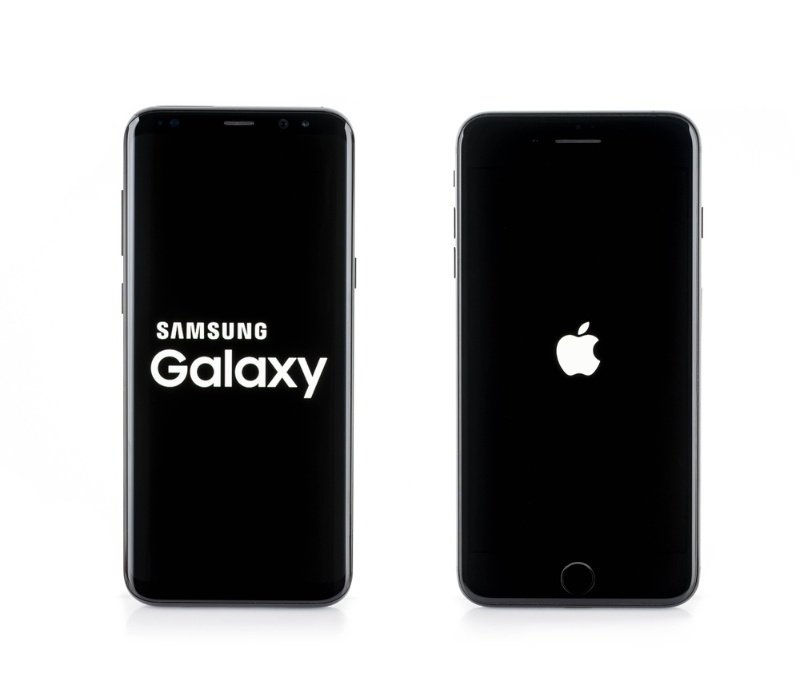
Picking a flagship phone in 2026 isn't easy anymore. Two names keep coming up in every conversation, and the Samsung Galaxy S26 Ultra vs iPhone 17 Pro Max matchup is honestly everywhere right now. Both phones bring serious hardware, gorgeous screens, and years of software updates. But they get there in completely different ways. Here's a breakdown of everything that actually matters so you can pick without second-guessing yourself.
Before we go deep, here's a quick side-by-side look at both phones.
| Feature | Samsung Galaxy S26 Ultra | iPhone 17 Pro Max |
| Display | 6.9-inch Dynamic AMOLED 2X, 498 PPI | 6.9-inch Super Retina XDR OLED, 458 PPI |
| Chipset | Snapdragon 8 Elite Gen 5 | Apple A19 Pro |
| Main Camera | 200MP wide | 48MP wide |
| Battery | 5000mAh | ~5088mAh (unofficial) |
| Weight | 214g | 233g |
| Starting Price | $1,299 | $1,199 |
That table's a decent snapshot, but the real differences show up once you actually start using these phones daily.
The Samsung Galaxy S26 Ultra is easily Samsung's most polished flagship to date. It's noticeably lighter, thinner, and loaded with AI tricks baked right into the software. And yes, the S Pen is still tucked inside, which remains a big deal for anyone who takes notes or sketches on the go.
S26 Ultra performance really does feel quick in hand, though marathon gaming sessions can warm the phone up more than you'd expect.
Apple didn't chase spec-sheet bragging rights with the iPhone 17 Pro Max. Instead, it went for consistency. The Ceramic Shield back paired with an aluminum frame gives it that quiet, premium feel Apple's known for.
iPhone 17 Pro Max performance might lose the benchmark race, but it often just feels smoother when you're actually using it.
Let's be honest, the camera is what most people care about first.
If you love experimenting with your shots, Samsung's the more exciting pick. If you want dependable footage without much editing, Apple takes it.
Don’t Miss: 5 Best Parental Control Software for Safer Kids in 2026
Samsung's faster aperture and larger sensor usually mean brighter, crisper night shots. Apple, on the other hand, keeps things looking realistic instead of artificially brightened, even after dark.
Samsung's dual telephoto setup gives you more room to play between 3x and 5x zoom. Apple sticks with one periscope lens, but its 4x optical zoom still holds up well.
Battery life is often what makes or breaks a long travel day.
S26 Ultra battery life takes the win on charging speed, but Apple pulls ahead when it comes to lasting through the day.
Both phones use a 6.9-inch screen, but the tech underneath tells a different story.
Samsung wins on sharpness, and Apple wins on brightness. Pick your priority.
Apple's A19 Pro chip tends to hold steady frame rates while using less power over longer sessions. Samsung's chip performs great too, but it can run warmer once things heat up.
The iPhone's lower heat output makes it more comfortable to hold during long gaming marathons. Samsung fights back with a bigger cooling chamber, though warmth still creeps in eventually.
Price ends up being the deciding factor for a lot of buyers, understandably.
| Category | Winner |
| Camera resolution | Galaxy S26 Ultra |
| Video quality tools | iPhone 17 Pro Max |
| Battery longevity | iPhone 17 Pro Max |
| Charging speed | Galaxy S26 Ultra |
| Display sharpness | Galaxy S26 Ultra |
| Gaming stability | iPhone 17 Pro Max |
| Starting price | iPhone 17 Pro Max |
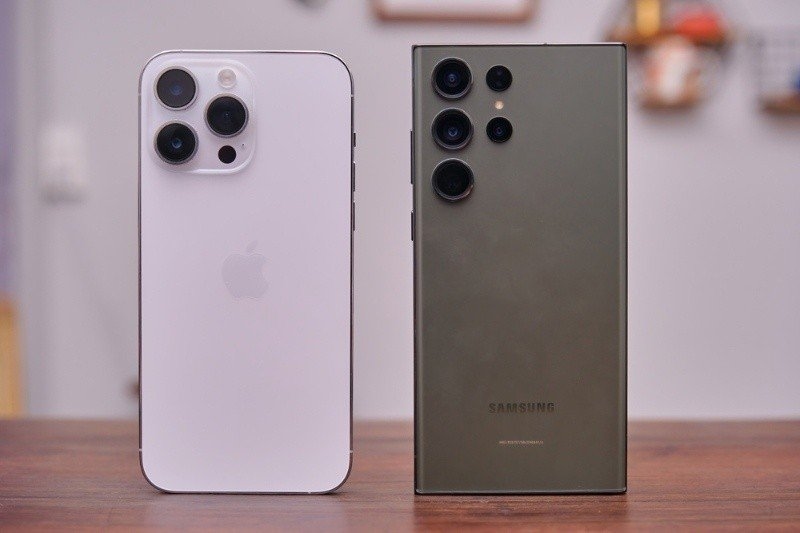
Honestly, it comes down to what you personally care about most. Go with Samsung if you want camera flexibility, a sharper screen, and that built-in S Pen. Go with Apple if editing tools, ecosystem simplicity, and steady daily performance matter more to you.
Jumping ship means giving up iMessage, FaceTime, and AirDrop, which isn't nothing. Unless Samsung's camera or S Pen genuinely tempts you, sticking with Apple's ecosystem usually makes more sense long-term.
If Galaxy AI or DeX desktop mode is already part of your daily routine, switching would mess with your workflow quite a bit. It's only worth it if Apple's video tools or resale value really pull you in.
Both of these phones are genuinely excellent, no doubt about that. The Samsung Galaxy S26 Ultra wins on raw specs, camera versatility, and screen sharpness. The iPhone 17 Pro Max wins on video consistency, gaming efficiency, and how long the battery actually lasts. This flagship phone comparison really comes down to your habits more than one phone being objectively better. Either way, you're picking a device built to last you years.
Also Read: Which are the 5 Best VPNs to Protect Your Privacy?
The Galaxy S26 Ultra gives you more zoom flexibility with dual telephoto lenses covering 3x and 5x. The iPhone 17 Pro Max keeps it simple with one dependable 4x periscope zoom lens.
In real testing, the iPhone lasts longer during continuous video playback despite having a similar battery size. Samsung makes up for it with much faster charging and quicker recovery time.
Yes, the S26 Ultra ships with a built-in S Pen; no separate purchase is needed. It's still a major selling point for anyone into note-taking, sketching, or general productivity work.
The iPhone 17 Pro Max starts about $100 cheaper than the Galaxy S26 Ultra in the US. That said, pricing shifts by region, and Samsung is sometimes cheaper across parts of Europe.
Yes, though Apple's ProRes RAW and Apple Log 2 tools give iPhone users a bit more editing flexibility. Samsung still handles high-resolution 4K recording just fine for most everyday video projects.
This content was created by AI